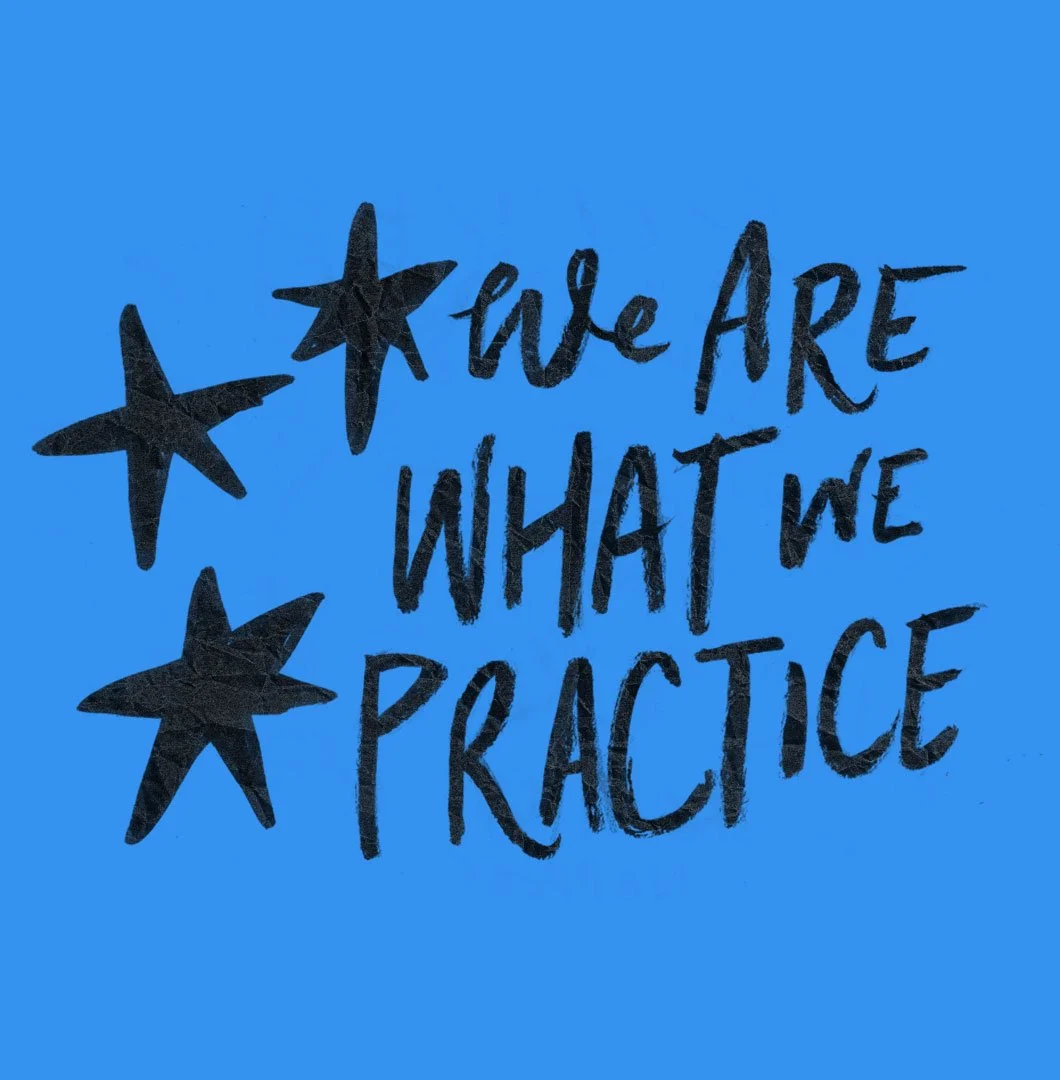
We Are What We Practice
I’ve been thinking lately about what happens when the act of creating becomes effortless.
Not because I’m worried about AI coming for my lunch. I’m actually fascinated by what these tools make possible. Anyone can now experiment, prototype, and bring ideas to life in ways that would have seemed impossible a decade ago.
But I keep coming back to a different question. While our tools are making it easier to make things, how is this process shaping us?
Whenever I start creating something, there’s a notable gap between the vision I have and my ability to bring it into the world. Everything I make falls short of what I can see so clearly in my mind. For years, I would become discouraged by the insurmountable distance, and I would quit. It took me a long time to realize that the gap is where the real transformation happens.
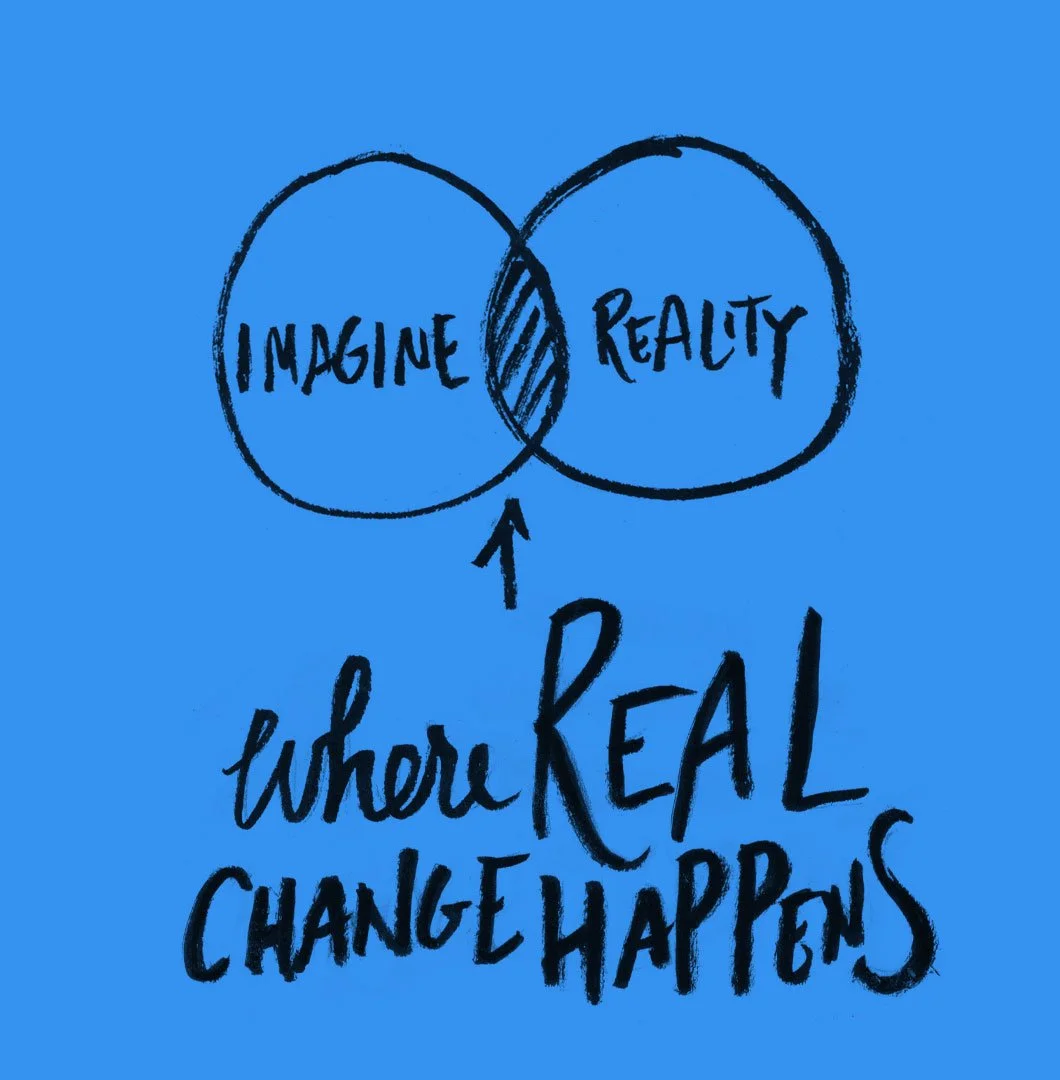
It happens in those agonizing moments spent staring at a blank page. The weeks spent questioning whether any of it would work. The months spent rewriting the same paragraph for the tenth time, convinced I was getting nowhere. The countless hours perfecting each and every detail.
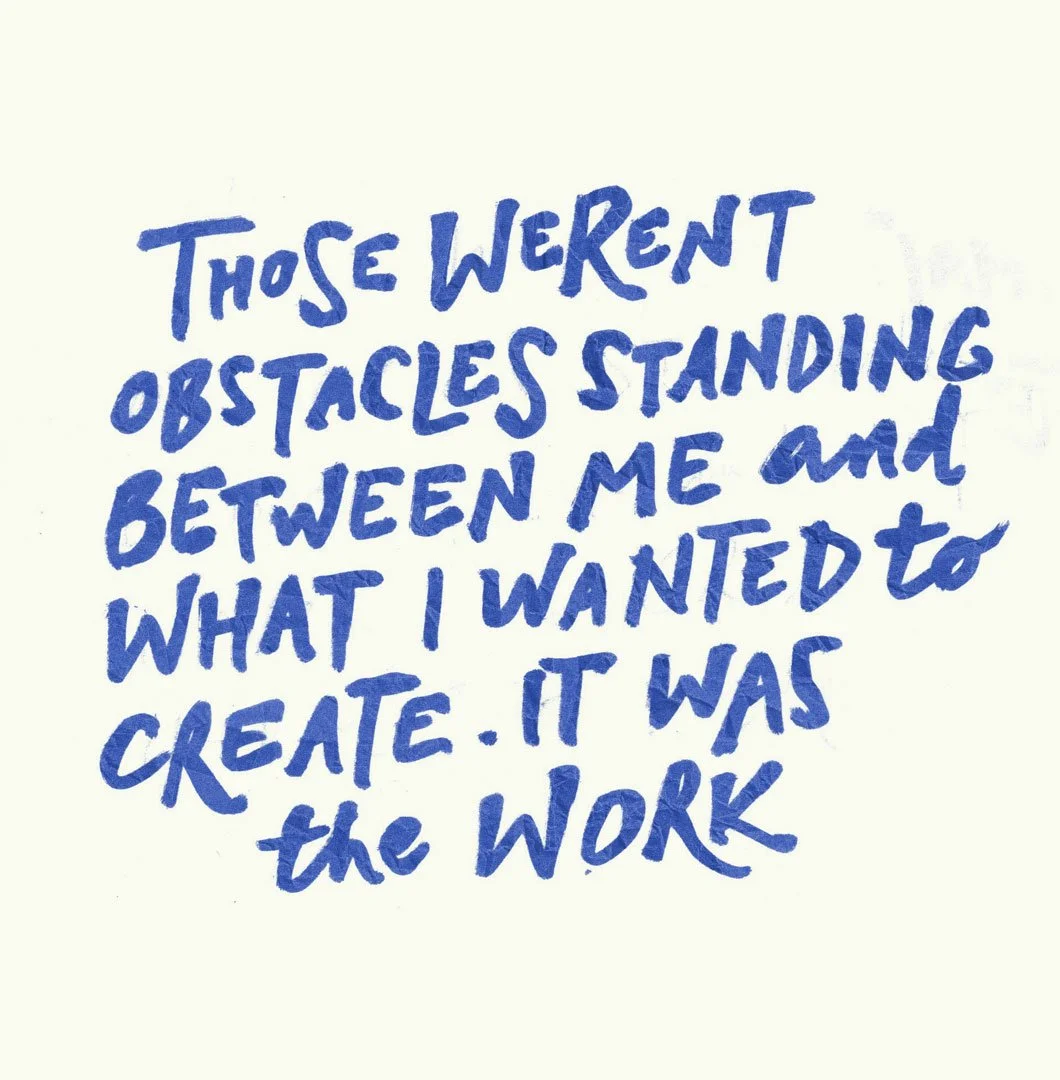
Those weren’t obstacles standing between me and what I wanted to create. It was the work.
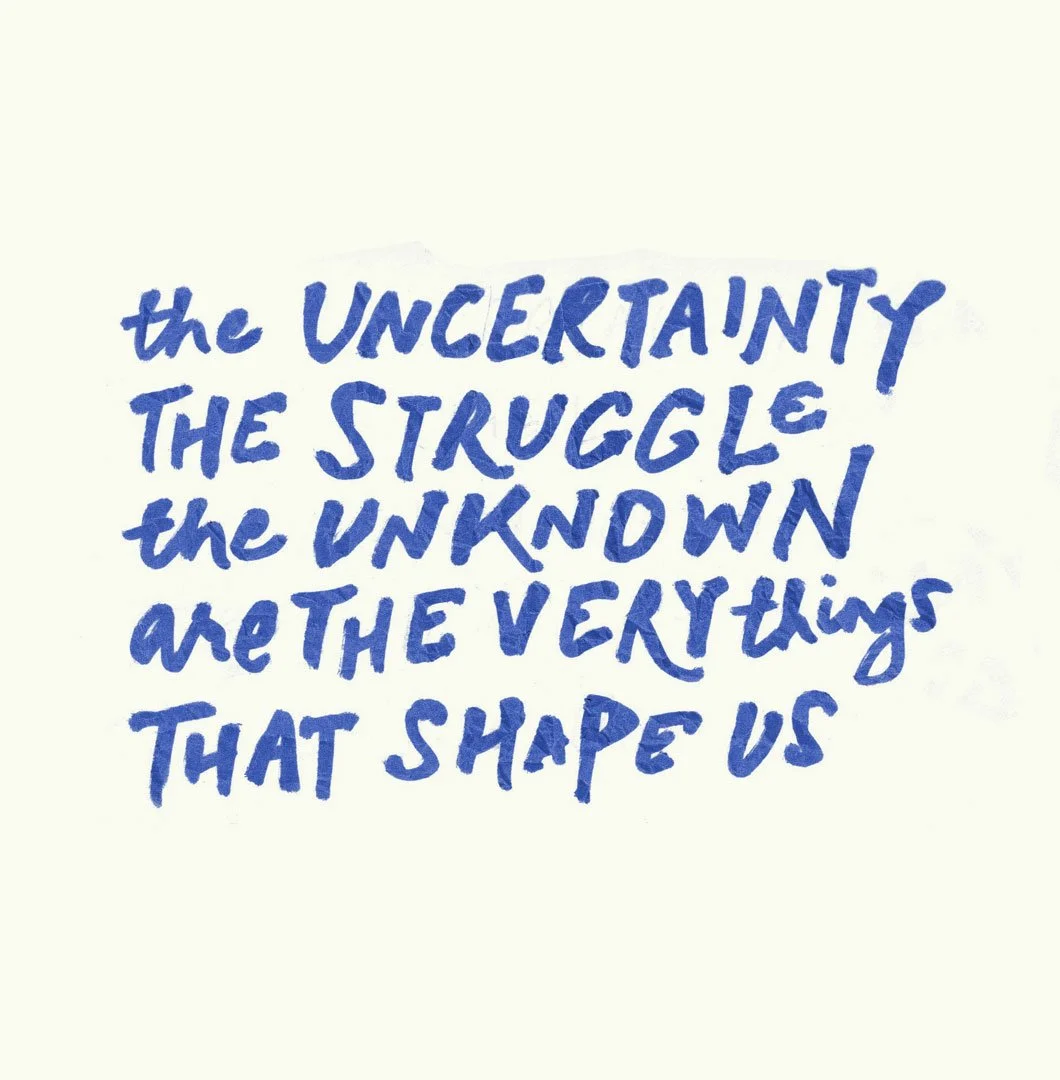
The irony is that the parts of creating we often try to eliminate through our tools and technology—the uncertainty, the struggle, the unknown—are the very things that shape us and what we create.
So, when creating becomes frictionless, I wonder what else we lose along the way. Because there are capacities we develop as creators that only emerge through the process itself. Think of the sustained attention required to stay with an idea and develop it when we’re uncertain. The discernment and patience we need to analyze why something doesn’t work. The space of time to make unexpected connections. These aren't qualities you can download or generate. They have to be lived and developed through the creative process.
As AI accelerates our ability to produce things on demand, what happens to this formative process when we create?
Like an artist who spends years developing a relationship with colour, composition, and visual language that is intuitive. Or a writer who writes thousands of drafts develops a sense for rhythm and clarity. When we outsource too much of the process, we risk losing the human capacities that make us creative. Curiosity. Intuition. Courage. The ability to sit with questions that have no immediate answer. This is what makes us human. It’s also what makes our work feel alive, honest, and human.
In our urgency to produce more, faster and with less effort, it’s easy to forget that the creative process is rewarding because of the resistance, uncertainty, and effort that led there.
Anyone can write an essay. But the value of writing isn’t producing a fifteen hundred word document. It’s the hours spent thinking through an idea, trying to untangle conflicting facts and opinions, carefully choosing each word and shaping every sentence. The reward is in discovering what you actually think.
Anyone can create anything these days with a few prompts. The harder, and infinitely more rewarding work, is allowing yourself to be shaped by what you create.
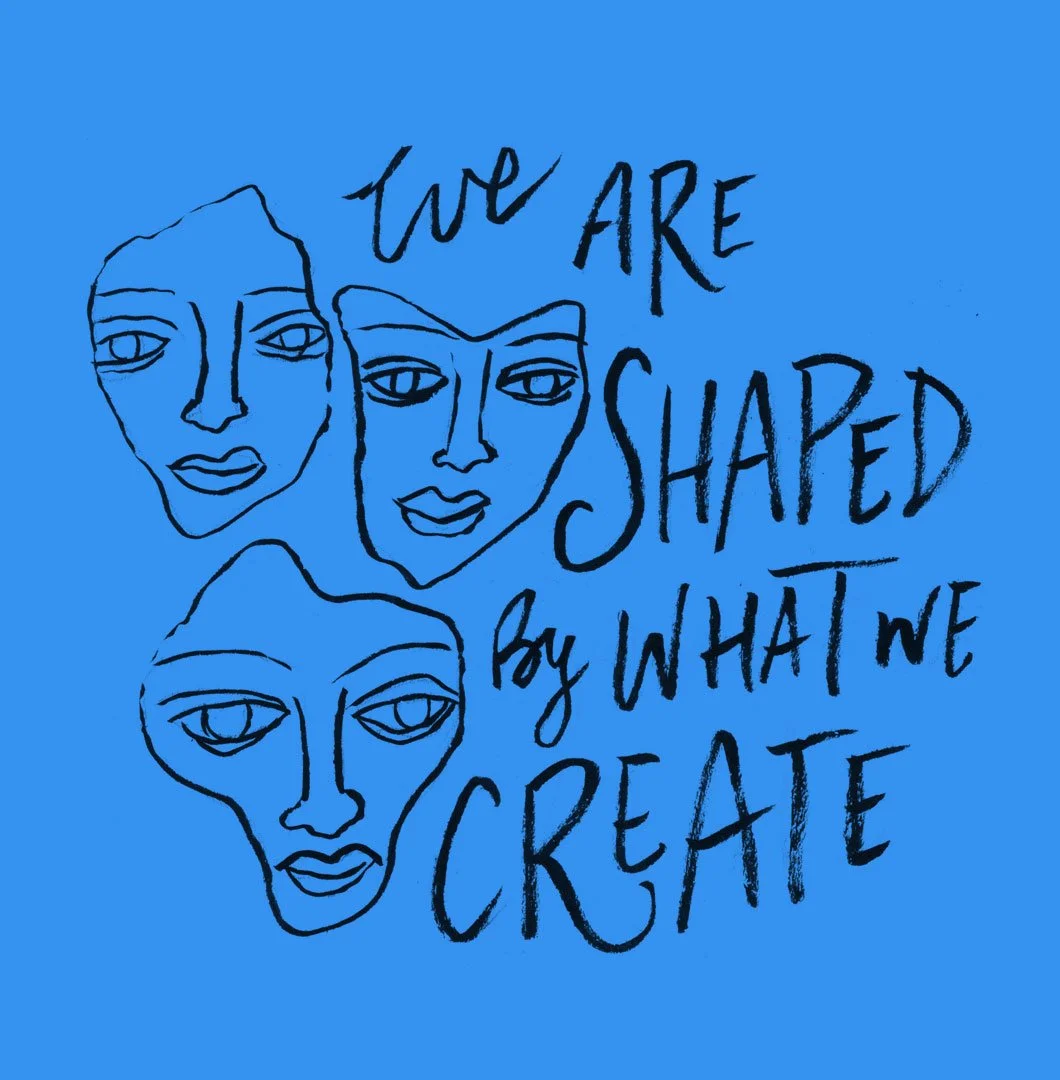
We are what we practice. Every system we rely on, every platform we use, every technology we adopt quietly shapes our attention, how we think, and how we create. Kevin Kelly wrote "Your life's goal should be to become the most improbable person you can be." The most valuable thing we can develop right now is a way of creating that can’t be replicated. We should embrace these tools and use them to expand what is possible, but remember why we’re creating in the first place.
As AI floods our feeds with generated content, it’s an opportunity to double down on the things that are irreducibly human. In a world where machines can produce almost anything, the challenge will be cultivating the capacities that could only come from being human.